
The Trump-Putin Summit
August 17th 2025
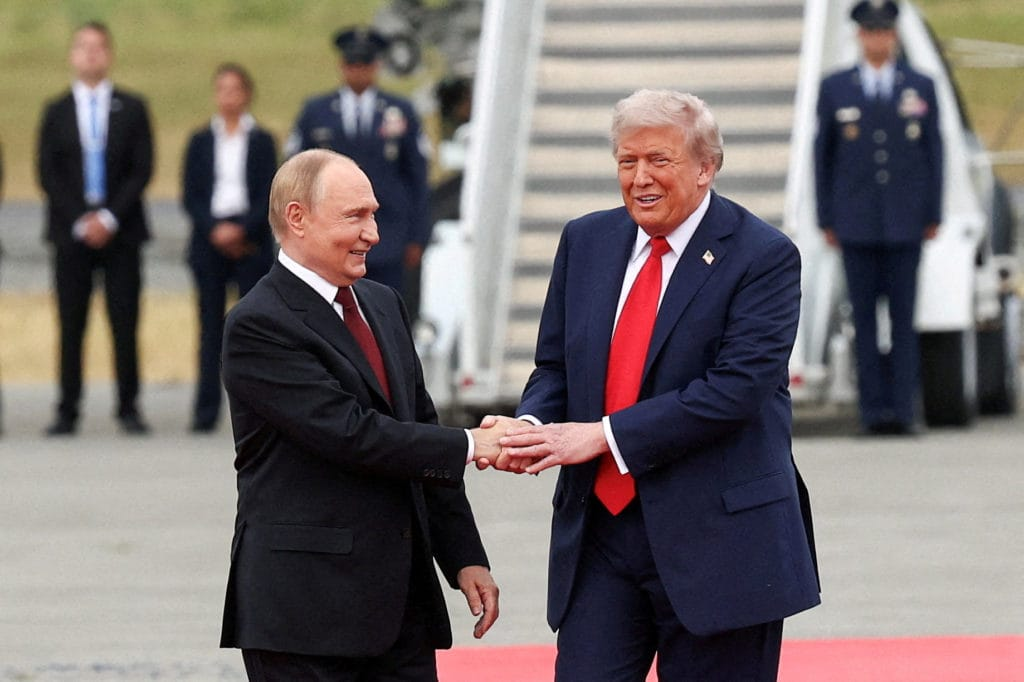
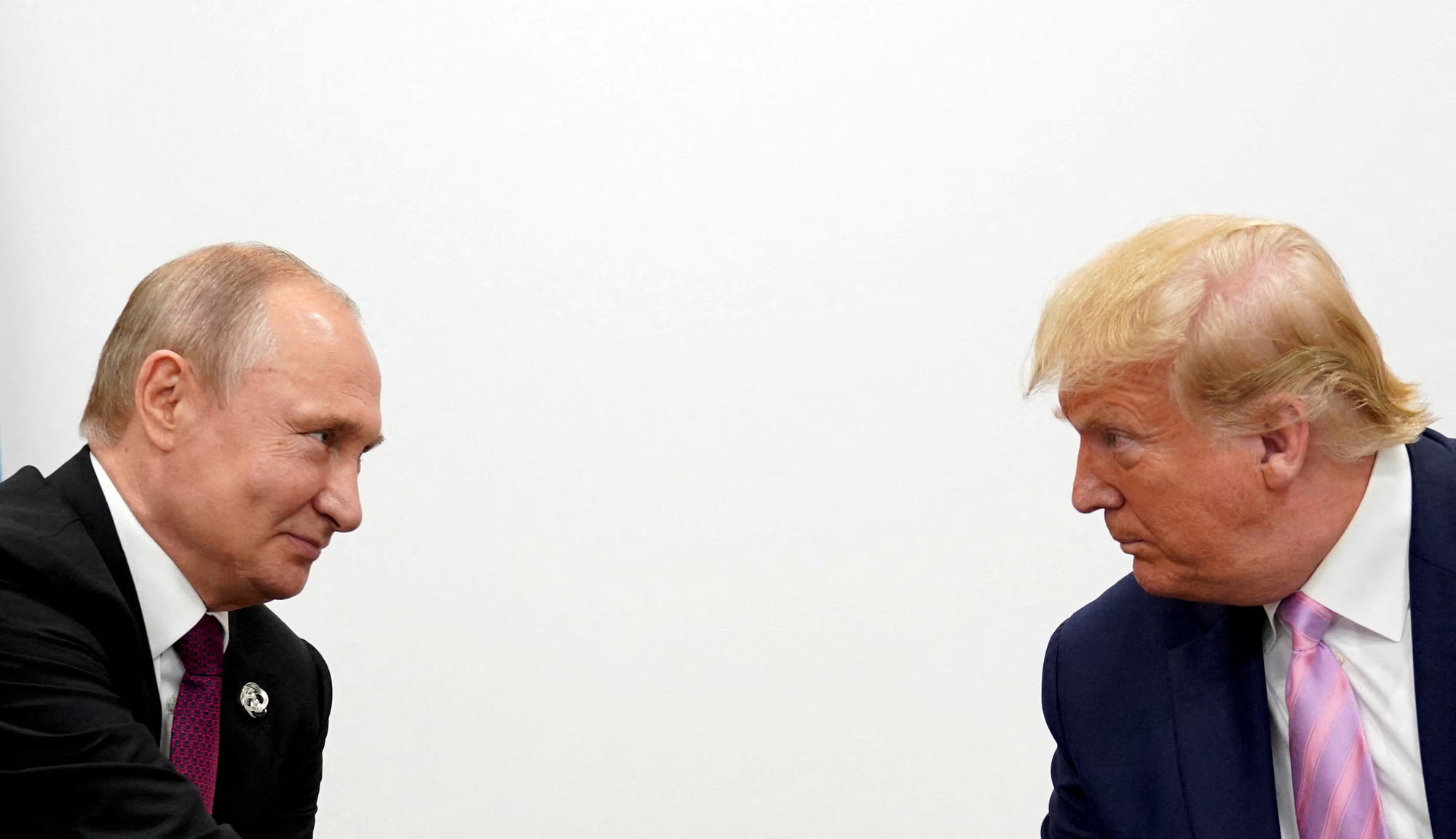
Earlier this week, US President Donald Trump and his Russian counterpart, Vladimir Putin, sat down for their first face-to-face meeting since Russia invaded Ukraine. For Trump, the summit was a perfect opportunity to use his deal-making skills to end the war - and secure his legacy. After nearly three hours of talks, both leaders came out smiling and talking about progress. However, no concrete commitments were announced by either side - yet.
What are the main takeaways from the summit? And, what’s next for peace talks?
Buildup & Optics
To really understand what happened during the summit, we need to look at the broader context. For months, Trump has been ramping up pressure on Putin. More specifically, he set a hard deadline of August 8 for Putin to accept a ceasefire - which was a pretty bold move considering Putin doesn't exactly respond well to ultimatums. Trump was getting increasingly frustrated with Putin's resistance to his peace proposals. It’s important to understand that the strategic situation Trump inherited wasn't ideal - to put it mildly. The Biden administration's approach of slowly providing weapons to Ukraine over two and a half years essentially contributed to an entrenched battlefield that actually favored Russian forces. Putin was now negotiating from a position of strength, with Russian troops dug into defensive positions across occupied Ukrainian territory. Trump believed he could break through this deadlock with direct personal diplomacy - something that hadn't been tried at the presidential level since the invasion began. Putin's calculations were totally different. The Russian leader saw this as an opportunity to break out of diplomatic isolation while keeping his military options open. In a way, Putin isn’t really looking to make major compromises for now. Instead, he was after international legitimacy and some breathing room to consolidate his country’s territorial gains in Ukraine.
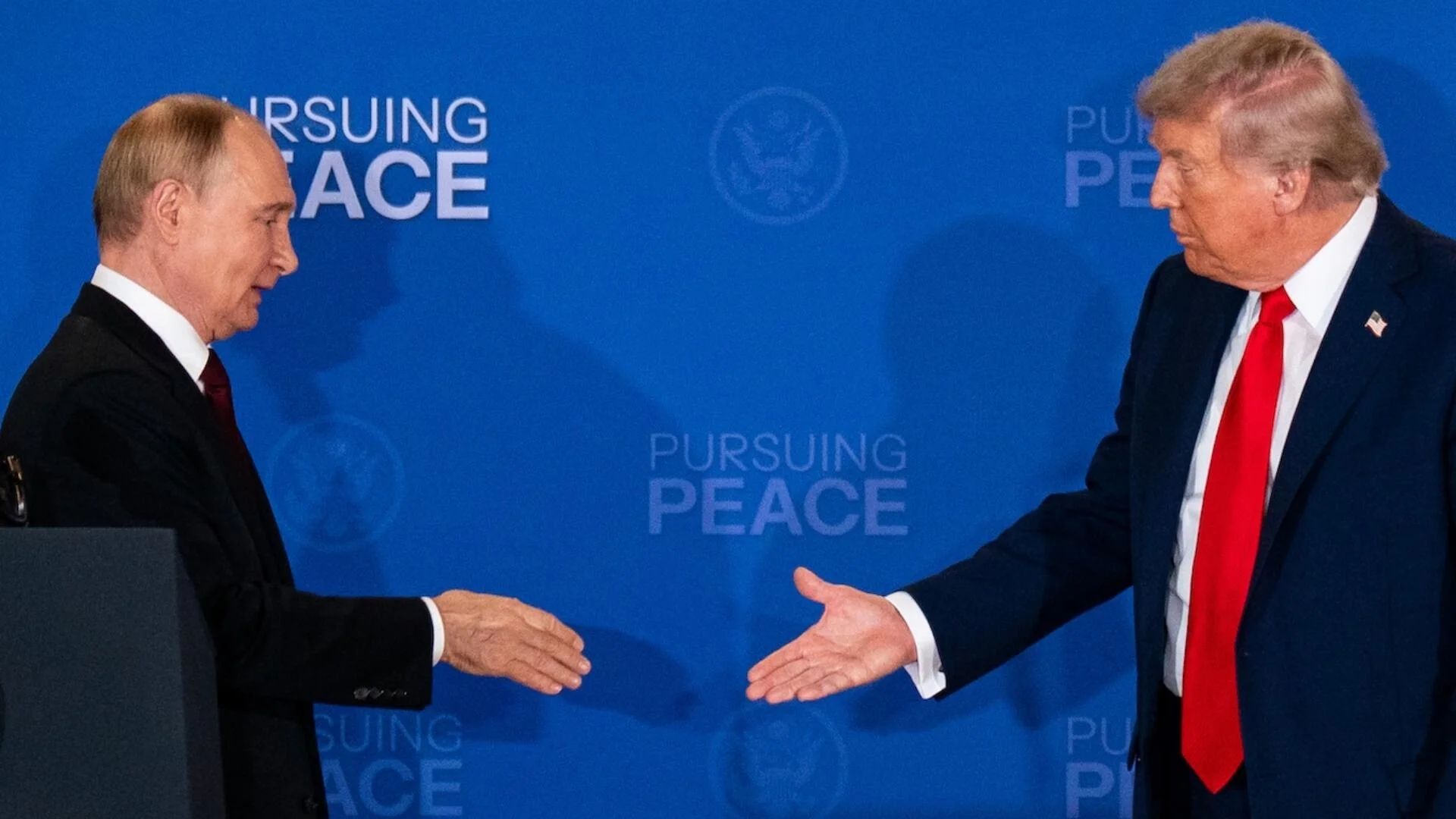
The meeting itself lasted nearly three hours but ended faster than most officials expected. Despite all the positive public remarks that came after, Trump himself admitted they hadn't reached their main objective on Ukraine. During the joint public appearance Trump made the interesting choice to let Putin speak first. It was a symbolic gesture - one that the Russian leader absolutely maximized. Standing on US soil and in front of Western media reporters, Putin presented his country’s stance on the war - and specifically talked about what he saw as the root causes of the conflict. In parallel to his remarks, Russian forces were gaining even more ground in Ukraine. Interestingly, some Western analysts expected Putin to pause operations during his US visit. He did not. Why? Because, objectively speaking, he had no incentive to do so. While the Russian leader might have doubts about his diplomatic options - he has no doubts about his military options. Putin is as confident as ever that Russia is winning the war. Based solely on territorial gains, he is not wrong. If we add to that Ukraine’s ammunition and manpower shortages, low morale, and political divides - we will quickly realize that the situation is rather bleak for Kiev. Long story short, Ukraine has limited upside potential - while Russia arguably has time on its side. Therefore, Putin doesn't see the need for military compromises - until Moscow secures diplomatic wins.
Balancing
Trump's approach revealed both his strengths and limitations as a negotiator. His heavy reliance on personal relationships and deal-making has worked fairly well in both business contexts and some international situations. However, Putin's strategic patience and his maximalist objectives in Ukraine have so far proved resistant to Trump’s methods.
The US President is at a crossroads. He has threatened Putin - more than once - with secondary economic sanctions that would target Russian energy exports. If he ultimately hesitates to follow through if Putin doesn’t deliver, that could be detrimental to US interests. In fact, that would objectively give Putin confidence that he can stonewall future US demands without facing serious repercussions. On the flip side, if the Russian leader senses that Trump is truly serious about these sanctions - he could possibly become more flexible with concessions. These sanctions will not hurt Moscow’s economy - but will also possibly strain Russia’s relations with other countries. Putin doesn’t necessarily want to see that happen - which might actually move the needle.
To make things even more difficult, the EU is pushing Trump to become more aggressive with Putin. The US President feels that he has compromised enough by resuming weapon shipments to Ukraine - without real tangible results. Therefore, even if Trump is frustrated with Putin stalling, he will not use what he sees as a nuclear option - unless he believes it will get him the deal he wants. It’s important to understand that Trump doesn’t want to show the world that he can fold under EU pressure - or that he is too soft on Russia. If anything, that complicates his decision-making process. That being said, Trump’s focus on securing a ceasefire at any cost and the potential for a Nobel Peace Prize - can actually work in favor of US, EU, and Ukrainian interests.
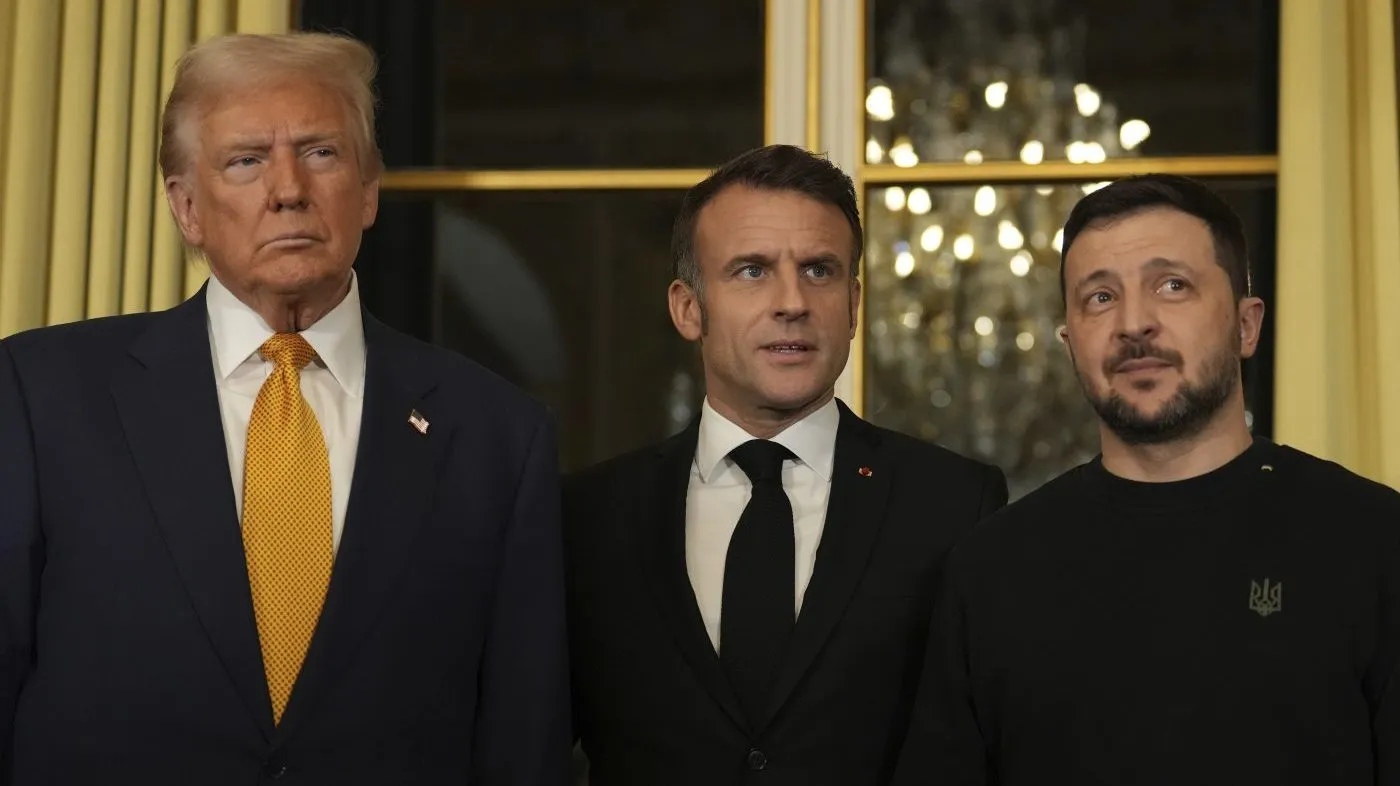
European allies and Ukrainian leadership seem to have mixed feelings about the summit. On the positive side, there was genuine relief that Trump did not agree to territorial concessions at Ukraine's expense - in Ukrainian President Zelensky’s absence. In fact, many EU leaders were concerned that Trump might trade Ukrainian territory for a quick peace deal. The problem here is that they assumed that the US President might be willing to make what the world will see as a “bad deal”. This is, effectively, Trump’s nightmare. Anything that will make the US President look weak - or being taken advantage of - is a red line for the White House. Once again, this works in Kiev’s favor.
At the same time, EU officials don’t want to see Washington engaging diplomatically with Moscow without Russian concessions. In their view, this strengthens Putin’s legitimacy on the world stage - and is living proof that sanctions failed to internationally isolate Russia. Based on that, they are lobbying Trump to be more hawkish on Russia. However, European leaders also understand that the US President values his personal relationship with Putin - and sees it as essential to secure a peace deal. Therefore, pushing too hard might actually be counterproductive - especially given the existing tension between Washington and Brussels.
Business
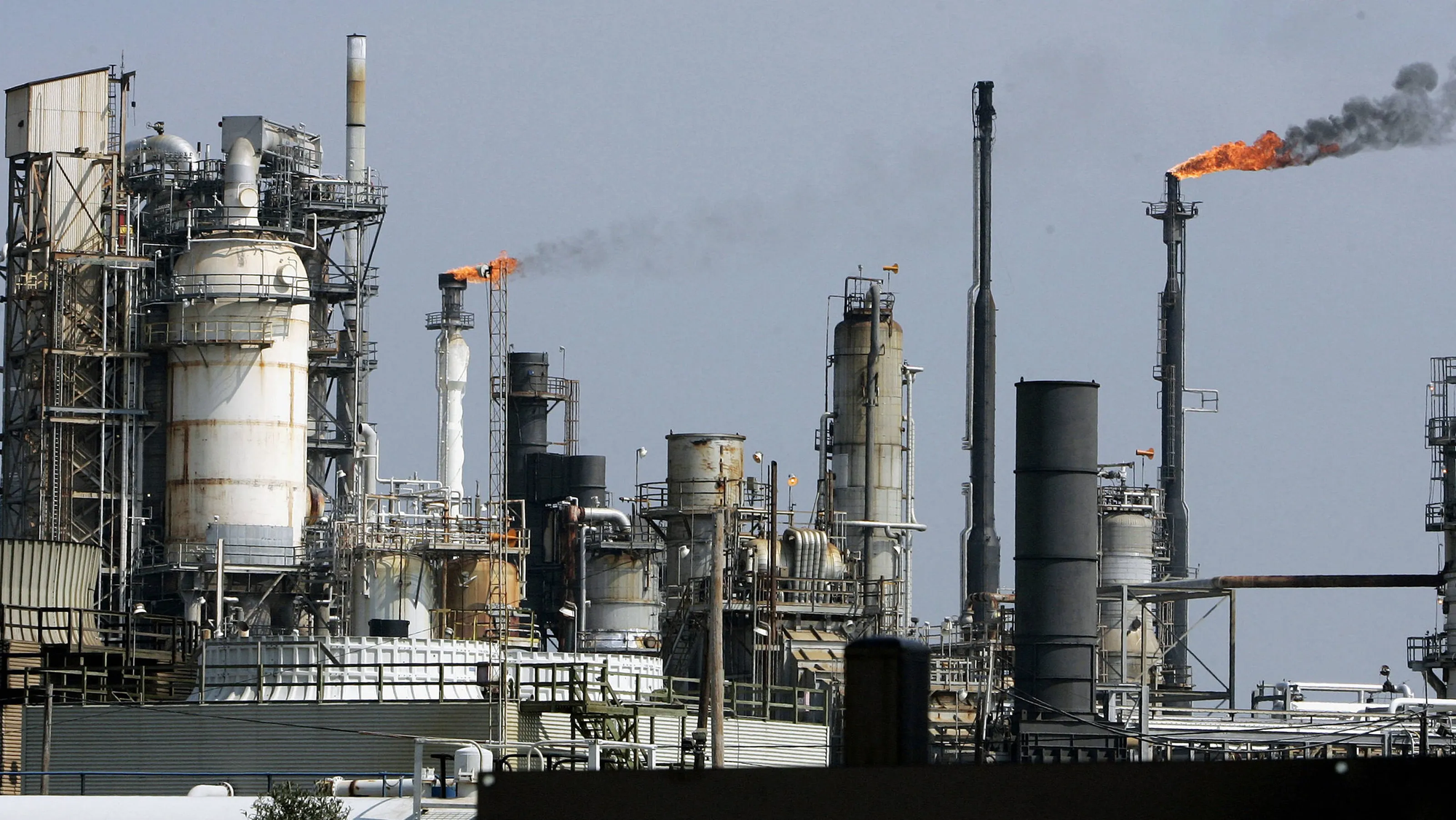
Economics played a bigger role in the summit than most people realized. Putin made it a point to include key business figures in his delegation. He was clearly trying to appeal to Trump's commercial instincts and create material incentives for better relations that go beyond just the Ukraine issue. However, the harsh reality is that existing sanctions and reputational risks make Russian business opportunities pretty unattractive for most large US companies. In addition to that, European sanctions will most likely stay in place regardless of any bilateral US-Russia agreements - which creates major legal and financial headaches for potential investors. When you add in Russia's notorious corruption problems, the risks clearly outweigh any temporary diplomatic goodwill.
Trump publicly said that "there's no deal until there's a deal". He was referring to both diplomatic and business arrangements. This makes sense given that Russia needs US investments more than US investors need Russia - and actually gives Washington’s solid leverage. However, this is not to say that the Russian market isn’t an attractive one. After all, Russia is still the world’s 11th largest economy - with a GDP of roughly $1.8 trillion in 2023. Its energy sector alone accounts for nearly 15% of global oil production and about 17% of natural gas output. This makes it rather difficult for multinational corporations to ignore. In addition to that, Russia represents a consumer market of over 140 million people, with growing demand in sectors like agriculture, technology, and pharmaceuticals. Still, US foreign direct investment in Russia was only about $7-9 billion just before the war - which is tiny compared to the $450+ billion invested in Europe as a whole.
Closing Thoughts
While the Trump-Putin summit did not result in groundbreaking commitments, it did reveal a few key elements. A White House meeting with Zelensky and EU leaders is already scheduled for tomorrow. For Brussels, this is a sign that Washington might be starting to recognize that bilateral US-Russia talks alone won't resolve this conflict. However, Trump is most likely trying to push Ukraine to become more realistic with its demands - and to take into account the battlefield’s realities. His reputation as a dealmaker does depend on achieving that. Another point to consider is the fact that Trump kept referencing "many points of agreement" between the US and Russia. By all standards, this was a deliberately vague statement. However, it seems that Washington and Moscow found common ground around security guarantees. More specifically, Putin is now open to the idea that the US might sign a defense pact with Ukraine - one that would prevent any further Russian offensives. This is certainly progress - but still a long way off from a peace agreement.
During the summit, Putin made a very telling comment. He said that he hoped that European and Ukrainian leaders wouldn't "throw a wrench" into the diplomatic process. He was indirectly referring to EU countries - and Ukraine to a lesser extent - refusing to give up any Ukrainian territories. So far, this has been an official stance - and has ironically prevented peace talks from moving forward. International law aside, Russia has no reason to relinquish control over all the territories it currently controls. Granted, Putin always knew these territories will be used as bargaining chips - and is therefore ready to trade. However, he feels like he is getting no concessions from the EU and Ukrainian side. If Monday’s meeting ends without Zelensky and his European peers signaling a willingness to make territorial compromises - Putin will most likely double down on his current trajectory.
Did you enjoy reading this analysis piece? Sign up for a free trial today to receive two deep-dives like this every week, plus access to Geopolitics Insider's entire library of past articles.